
Swaddling babies might sound like a trendy parenting buzzword, but it’s an age-old technique with roots deep in history. Imagine being wrapped snugly like a burrito right after a long day of growing and crying. Sounds cozy, doesn’t it? This guide unpacks the beauty of swaddling, its numerous benefits, and tips for mastering the art of wrapping your little one up safe and sound. So, grab a soft blanket and a sense of humor, because nothing says ‘I’m a new parent’ like wrestling a tiny human into a snug wrap.
What Is Swaddling?
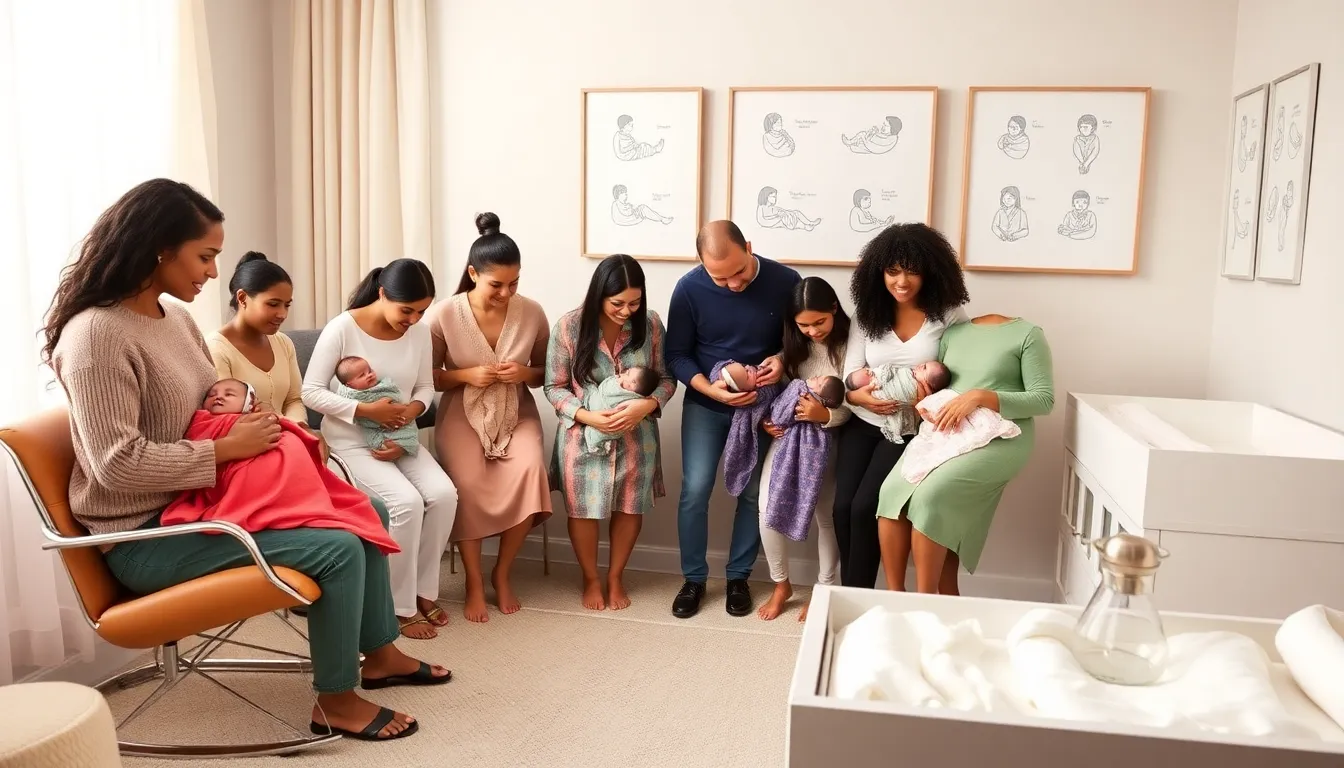
Swaddling is the practice of wrapping a baby in a blanket or cloth to provide them with a sense of security and comfort. The goal is to mimic the cozy confines of the womb, helping the baby feel safe and warm. Traditionally, many cultures have embraced this technique, believing that a well-swaddled baby tends to cry less and sleep better. The key to successful swaddling lies in how snugly the baby is wrapped, and yes, it does require some practice.
But before anyone dives headfirst into swaddling, it’s vital to understand that the process isn’t one-size-fits-all. Swaddling can be adapted to suit your little one’s needs, depending on factors like age and temperament.
Benefits of Swaddling Babies
Swaddling is more than just a way to make a baby look like a cute little nugget. It offers a variety of benefits that can boost both the baby’s comfort and the parents’ peace of mind:
- Improved Sleep: Swaddled babies often enjoy longer and more restful sleep. This is mainly because they feel secure and are less startled by their own reflexes, also known as the “moro” reflex.
- Reduced Crying: Research shows that swaddling might decrease crying time. It lends a feeling of security, making babies feel more secure and less anxious.
- Easier Transitions: For babies coming from a snug environment, swaddling eases the transition to the outside world. It mimics that womb-like environment, allowing smoother adjustments.
- Less Risk of Startling: Babies often startle themselves awake, but swaddling can help minimize those sudden jolts, keeping them from waking up every few moments.
These benefits position swaddling as a highly esteemed practice in baby care.
How to Swaddle a Baby Properly
Swaddling a baby may sound simple, but mastering the right technique requires a bit of finesse and practice. Here’s a quick step-by-step on how to get it just right:
Swaddling Techniques and Methods
- Start with a Blanket: Lay the blanket down in a diamond shape, with the top corner folded down. This creates a pocket to hold the baby’s head.
- Position the Baby: Place the baby on their back, with their head just above the fold. The arms should lay straight at their sides.
- Wrap One Side: Take the left corner of the blanket and fold it over the baby’s arm and body, tucking it snugly beneath them.
- Wrap the Bottom: Next, fold the bottom of the blanket up over the baby’s feet.
- Complete the Wrap: Bring the right corner over the baby’s arm and tuck it in, ensuring the arms remain close to the body but aren’t constrained.
Et voilà. A perfect swaddle.
Common Materials for Swaddling
- Cotton: Soft, breathable, and easy to find. Cotton blankets are often the top choice.
- Muslin: This lightweight fabric offers good airflow and is gentle on a baby’s skin.
- Specialty Swaddle Blankets: Many brands manufacture pre-made swaddle blankets designed specifically to keep babies snug without risk.
Choosing the right material means considering your baby’s comfort, always prefer soft, breathable options for the best outcomes.
Signs That Your Baby Needs to Be Swaddled
Recognizing when a baby might need swaddling can help parents create a more tranquil environment. Here are some cues:
- Fidgeting Arms: If the baby waves their arms around, it could signal discomfort or the need for security.
- Crying and Fussiness: A baby in distress often benefits from a snug wrap. Swaddling can calm their cries and provide an immediate sense of comfort.
- Startling Movement: If a baby consistently startles awake, swaddling may help create a calming influence to help them stay asleep.
- Desire for Warmth: Babies may seek that warmth they had in the womb. A snug swaddle can recreate that comforting sensation.
Parents should always observe their baby’s behaviors to determine the best moments for swaddling.
When to Stop Swaddling Your Baby
Deciding when to stop swaddling is just as important as knowing how to swaddle. Generally, there are a few signals that suggest it might be time to transition:
- Rolling Over: If a baby starts trying to roll over, it’s time to phase out the swaddle. This is a key milestone that indicates a need for more freedom in movement.
- Sufficient Sleep Skills: Once a baby develops the ability to self-soothe, they may not need the confines of a swaddle anymore.
- Cues from Baby: Babies will often show signs of resistance to swaddling, like working their arms free or displaying discomfort. It’s essential to listen to those cues.
Most experts recommend transitioning out of swaddling between 2-4 months, but every baby is unique.
Potential Risks and Safety Tips for Swaddling
While swaddling can be incredibly beneficial, it’s also crucial to be mindful of potential risks:
- Hip Dysplasia: Ensure the swaddle allows for proper hip movement. Babies should be able to bend their legs and have enough room.
- Overheating: Choose lightweight fabrics and avoid swaddling in hot conditions.
- Loose Wrapping: A loosely wrapped blanket can pose a suffocation hazard. Always ensure tightness and proper positioning.
Safety Tips
- Always Place Baby on Back: Babies should always be placed on their backs to sleep, whether swaddled or not, to reduce SIDS risks.
- Monitor Temperature: Keep an eye on baby’s temperature, ensuring they are comfortable without overheating.
- Frequent Check-In: Check on the baby frequently to ensure they’re safe and snug, but not too tight.


